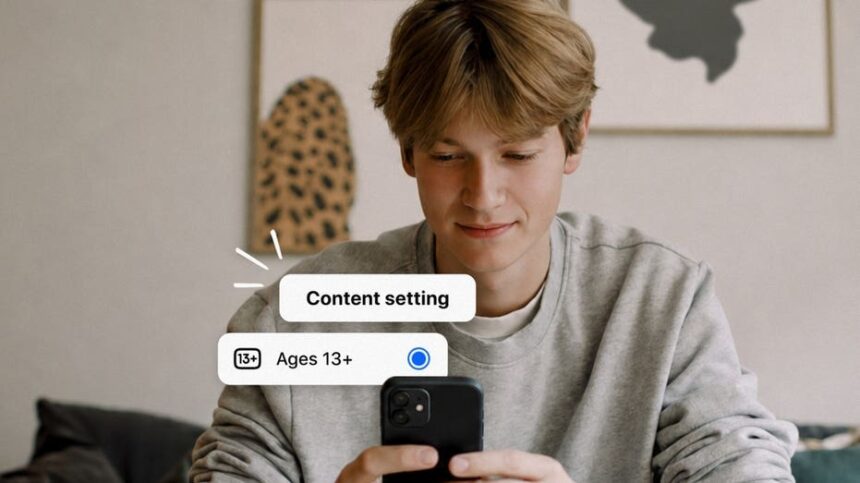
If you have ever asked a teenager to put down a phone and heard, “Just one more minute,” you already know how hard screen limits can be to enforce.
Now Meta has agreed to a sweeping child-safety settlement that could reshape how teens use Facebook and Instagram across much of the United States.
A judge approved the agreement on Aug. 27. Under the deal, Meta will put a default two-hour daily cap on teen use of Facebook and Instagram combined. It will also restrict most app access overnight. Meanwhile, parents will get stronger control over settings teens may want to change.
The agreement goes well beyond a screen time reminder. Here’s what will change, how the limits work, what Meta told CyberGuy and what parents can do now.
Missed CyberGuy LIVE? Watch the Protect Your Money replay
Our free CyberGuy LIVE class, Protect Your Money From Todays Biggest Threats , has ended, but you can still watch the full replay and download our financial protection checklist. Kurt “CyberGuy” Knutsson walks you through five simple ways to help defend yourself against AI scams, fraud, identity theft and financial hacks. Youll learn how to set up bank alerts, strengthen your account logins, protect your phone number, freeze your credit and help secure your retirement savings against unauthorized transfers. No technical experience is needed.
Get the free replay and checklist now at CyberGuyLive.com
TOO MUCH SCREEN TIME MAY TRIGGER LASTING BRAIN DELAYS, TOP HEALTH OFFICIAL WARNS
With the judge’s approval, the agreement is now in effect, but the new protections will roll out over the coming months. Most of the major requirements have a six-month compliance deadline, while some features are due sooner. Here’s how the biggest changes break down for teens and parents.
Meta will apply a default two-hour daily limit across Facebook and Instagram combined. Time spent scrolling on either app counts toward the total. In addition, Meta says it will count usage across multiple accounts when it detects that one teen operates more than one account.
Direct messaging, time spent in settings and qualifying long-form audio or video are excluded from the two-hour limit. Under the agreement, qualifying long-form content generally means audio or video that lasts at least 22 minutes and has not been artificially extended.
A teen can only turn off the two-hour limit with a parent’s permission. That creates a much firmer stopping point than another reminder that can be dismissed.
Night Mode will block most Facebook and Instagram activity from midnight to 6 a.m. During that window, teens will no longer be able to view or post to areas such as Feed, Stories, Explore or Reels.
Direct messaging will remain available. That exception lets teens continue communicating with friends and family. For families dealing with late-night scrolling, this could create a clearer boundary without requiring someone to change the setting every evening.
Meta will also disable push notifications by default from 10 p.m. to 7 a.m., except for urgent account security or platform integrity alerts. Parents using supervision can change that setting.
School Mode focuses on daytime distractions. From 8 a.m. to 3 p.m. Monday through Friday between Aug. 15 and June 15, Meta will mute most push notifications by default.
However, teens will still be able to receive direct messages. Meta will also allow account security and safety alerts during those hours. The idea is simple. A school day should come with fewer reasons to keep checking Instagram or Facebook.
Meta will also add more